For point-of-use reverse osmosis manufacturers, the most important part of EPA’s August 2026 WaterSense update is not a new marketing phrase. It is a clearer definition of how system water use should be measured under conditions closer to normal operation.
EPA issued two technical clarifications for the WaterSense Specification for Point-of-Use Reverse Osmosis Systems. The first aligns the specification with the 2025 edition of NSF/ANSI 58 and removes the older distinction that used a recovery rating for some systems. The second gives manufacturers an alternative way to meet a packaging and point-of-purchase documentation requirement.
Certification note: WaterSense certification applies to an eligible complete point-of-use RO system that has been independently certified through the program. A membrane element by itself does not earn the WaterSense label. This article does not state that OVAY products or systems using OVAY membranes are WaterSense certified.
What WaterSense Already Requires
EPA released the final POU RO specification in November 2024. A labeled system must meet both water-efficiency and performance requirements through independent certification. EPA’s consumer page says a qualifying system must send no more than 2.3 gallons of reject water to drain for each gallon of treated water produced. Expressed as an efficiency rating, the specification requires at least 30 percent.
The program also addresses membrane life, total dissolved solids reduction and any additional contaminant-reduction claims made for the system. EPA says the membrane must last at least one year under the applicable requirements. When a manufacturer claims reduction of a particular contaminant, that claim must be supported by the relevant testing and certification rather than inferred from RO technology in general.
Clarification One: Use Efficiency Rating Under Normal Conditions
The earlier NSF/ANSI 58 terminology included a recovery rating measured with the storage tank bypassed. That can make a tank-based system look more efficient than it is during normal use. As a pressurized storage tank fills, back pressure increases and affects membrane production and reject-water behaviour.
The 2025 revision to NSF/ANSI 58 uses an efficiency rating for all system types. EPA’s August 2026 clarification aligns WaterSense with that change. The practical result is that tank and tankless systems are evaluated through the applicable efficiency-rating procedure rather than being divided between efficiency and recovery terminology.
This is useful for buyers because it makes the published figure more closely connected to actual system operation. It also makes casual comparisons harder. A bare-membrane recovery number, a tank-bypassed laboratory result and a certified system efficiency rating do not describe the same thing.
Automatic Flushing Is Part of Water Use
Many modern tankless RO systems use automatic flushing to manage scaling, stagnant water or startup conditions. Flushing can help system operation, but the discharged water still counts. The revised NSF/ANSI 58 approach accounts for water consumed by the automatic flushing scheme when system efficiency is determined.
EPA’s clarification states that systems with multiple flush settings must meet the minimum 30 percent efficiency rating at both the lowest and highest settings. For product teams, this means firmware, valve timing and control logic belong in the water-efficiency review. A membrane with good permeability cannot compensate for a flushing program that consumes excessive water.
Clarification Two: A Packaging Alternative
Manufacturers told EPA that the summary table previously required on packaging and point-of-purchase material could be difficult to maintain and potentially confusing. EPA now allows a choice. A manufacturer may retain the summary table, or use a specified statement explaining that the system has earned the WaterSense label, is at least 20 percent more water-efficient than typical systems, and that the performance data sheet contains the complete efficiency and performance claims.
The certification body must still submit contaminant-removal and efficiency information through the WaterSense product notification process. The alternative therefore changes how information can appear on packaging; it does not remove the underlying testing or reporting obligations.
What This Means for an RO System Manufacturer
Measure the complete hydraulic system
Membrane flow and rejection are necessary engineering inputs, but WaterSense efficiency belongs to the assembled system. The pump, storage tank, check valve, flow restrictor, shutoff logic, drain path and automatic flush program all influence the final result.
Test the production configuration
A prototype should use the same membrane specification, tank, pump, restrictor and control settings planned for production. Changing any of these after testing can affect water use or contaminant performance and may require review with the certifying body.
Keep claims narrower than the evidence
EPA notes that POU RO can potentially reduce contaminants including lead, volatile organic compounds, PFAS, arsenic, bacteria and viruses. The word potentially matters. Actual capability depends on the complete system, its certification scope, incoming water, installation and maintenance. Marketing should name only claims supported for the exact certified model.
Design service intervals around real use
Membrane life is affected by feedwater quality, pressure, temperature, pretreatment and daily demand. A one-year requirement should not be treated as a promise that every membrane will perform identically in every home. Product documentation needs feedwater limits, replacement instructions and clear maintenance responsibilities.
Five Questions for an OEM Membrane Discussion
- What efficiency target must the complete system achieve under the applicable NSF/ANSI 58 procedure?
- Is the system tank-based or tankless, and what back pressure or duty cycle will the membrane experience?
- How much water does each automatic flush consume, and how often can flushing occur?
- Which certified contaminant-reduction claims are planned for the complete product?
- What membrane dimensions, flow tolerance, rejection tolerance, traceability and change-control records are required?
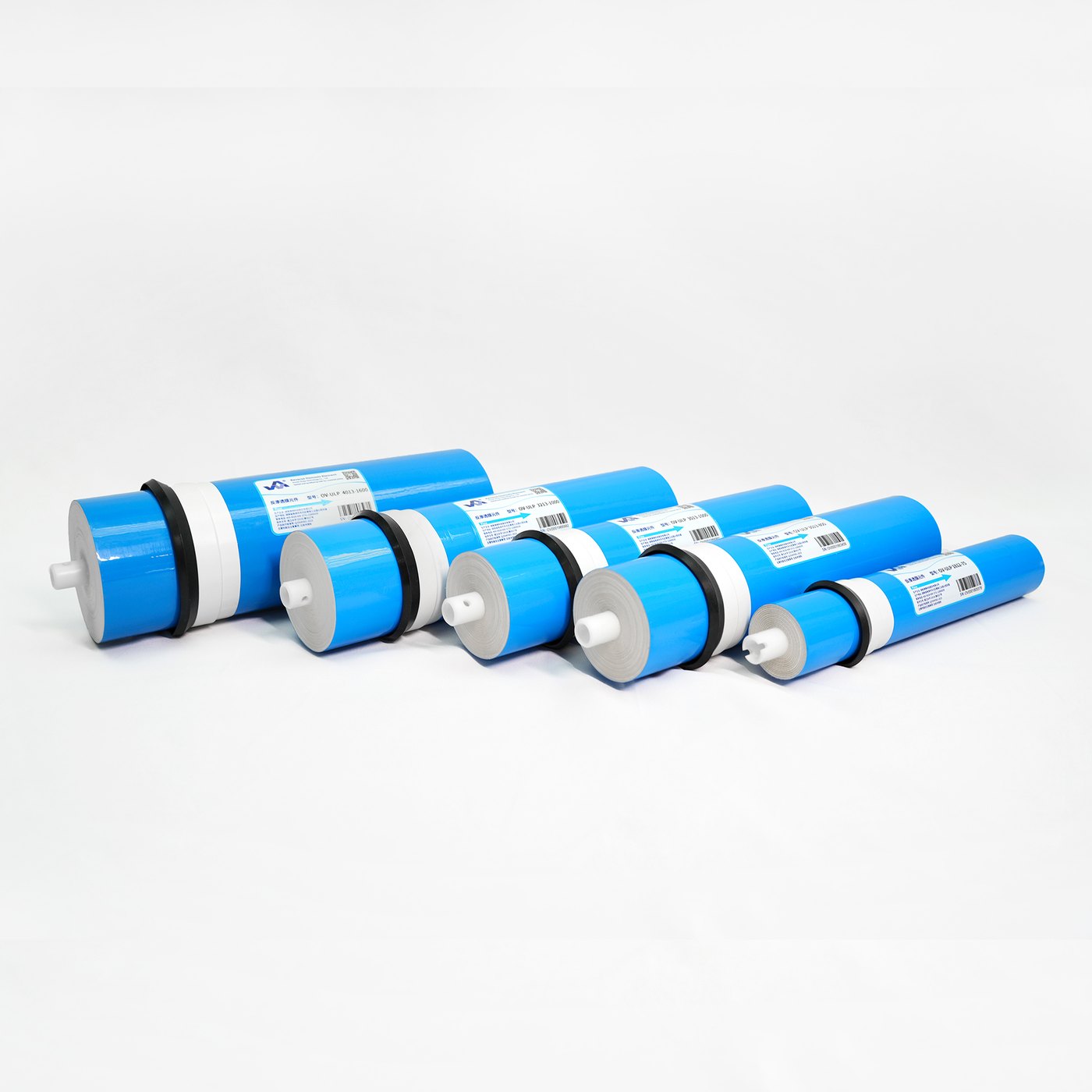
OVAY supplies residential RO membrane formats for OEM evaluation, including 1812 elements and other residential and commercial configurations. A system manufacturer seeking WaterSense certification should involve its licensed certifying body early and validate the final system with the intended production components.
Discuss a Residential RO OEM Specification
The Useful Takeaway
The August 2026 clarifications do not lower the bar for water-efficient RO. They make the measurement language more consistent with normal operation and give manufacturers a more practical packaging option. The technical work remains: account for tank back pressure, include flush water, verify the full system and keep every performance claim tied to certification evidence.
For OEM teams, that is good discipline even before a certification project begins. A membrane should be selected as part of a controlled system design, not as an isolated component chosen from a headline flow rate.
Sources and Further Reading
This draft was prepared from the referenced industry updates. Please review each source before publication.
- U.S. Environmental Protection Agency: Point-of-Use Reverse Osmosis Systems (Updated August 21, 2026)
- U.S. Environmental Protection Agency: WaterSense Specification and Certification Clarifications (Updated August 20, 2026)
- U.S. Environmental Protection Agency: WaterSense Product Specifications (Updated August 21, 2026)